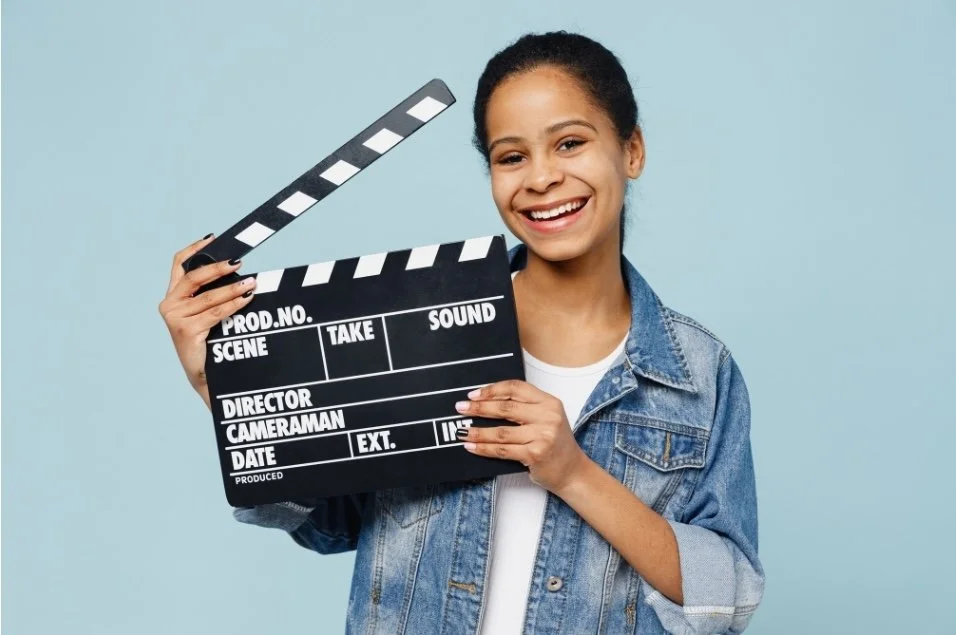
Protecting Talent, Creative Work, and Opportunities in the Entertainment Industry
Strategic, accessible legal support for creatives and performers

Cherelle T. Griner
Founder & CEO
Attorney Cherelle T. Griner is a dedicated trademark and intellectual property attorney known for her strategic mindset, leadership, and commitment to client success. She gained hands-on experience through NCCU’s Juvenile Law Clinic and internships with the Legal Aid of North Carolina Education Department, the Arizona Department of Juvenile Justice, and Snow Legal Group’s criminal law team. Distinguished in her service and scholarship, she graduated cum laude and received the North Carolina State Bar’s 2022 Pro Bono Student Award for her service-driven leadership. Today, she supports businesses, brands, creative professionals, children, and families with guidance that is practical, forward-thinking, and solutions-focused—designed to protect their interests and advance long-term goals.
Entertainment Law: What you Need to Know?
What is Entertainment Law?
Entertainment law covers legal issues that impact creatives, performers, influencers, and production professionals. This includes contracts, copyright, intellectual property, appearances, releases, and negotiations that protect your interests in creative industries.
Why Creatives Need Legal Representation?
Contracts, agreements, and creative opportunities often involve: Intellectual property ownership, usage rights for content and images, compensation and royalties, exclusivity clauses, deadlines and obligations, and future value of your work.
Legal guidance ensures that the fine print protects you—not disadvantages you.
Artist & Talent Rights
You have a right to: Understand every contract before signing, protect your creative work and likeness, receive fair compensation, maintain proper ownership of your contributions, and avoid predatory clauses or restrictive terms.
Empowered creatives make better long-term decisions.
Entertainment Law Services
Ensure your work, image, or performance is used properly through:
Customized model releases
Appearance releases
Photo/video usage releases
Limited-use agreements
CONTRACT REVIEW & NEGOTIATION
Attorney Griner helps creatives understand and strengthen agreements, including:
Talent agreements
Performance contracts
Influencer and brand deals
Production and collaboration agreements
Licensing terms and usage rights
Royalty and compensation structures
MODEL & TALENT RELEASES

INTELLECTUAL PROPERTY
PROTECTION FOR CREATIVES
Support for safeguarding your creative work through:
Copyright registration
Ownership clarification
Work-for-hire agreements
Infringement analysis and enforcement
Trademark considerations for brand identity

AGENCY, MANAGEMENT, &
INDUSTRY RELATIONSHIPS
Clarity and protection in agreements involving:
Talent agencies
Managers
Production companies
Record labels
Digital platforms

— The Griner Difference
Why Choose Griner Law Firm
Creators and performers choose Griner Law Firm for it’s commitment to providing:
Personalized Guidance
Clear, proactive legal guidance without unnecessary complexity.
Strategic Approach
Business-aligned protection for creators, brands, and innovators.
Client-Centered Services
Responsive, client-centered service built on trust and clarity.
Professional Excellence
Experience across industries, from startups to creative enterprises.
Forward-thinking Solutions
Solutions that support long-term career growth.
“ Your talent deserves protection as strong as your passion.
Ready to Protect Your Creative Career?
Your talent deserves strong legal protection.
Schedule your free case evaluation today and get clarity on your next step.
Frequently Asked Questions
-
Yes. Entertainment contracts often contain complex clauses that can impact your rights, payments, and future opportunities.
-
Always have the agreement reviewed to ensure fair terms and appropriate protections.
-
Attorney Griner can analyze the situation, enforce your rights, and advise on next steps.
-
Yes. Trademark protection may be appropriate depending on your creative identity.
-
It determines who legally owns the creative work after it's produced—something every creative should understand clearly.